
Carefully Selected Experts, Trusted Institutions
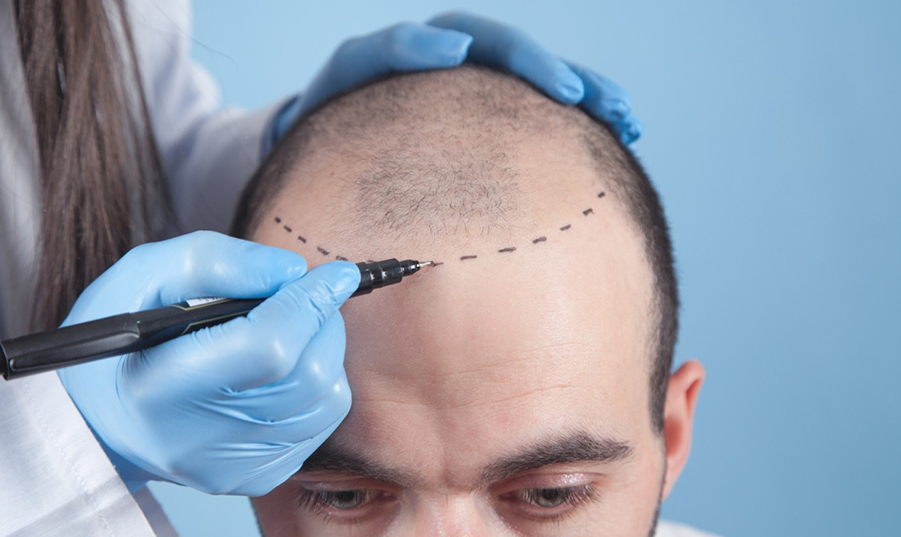
At Vatanmed Clinic, we are dedicated to providing cutting-edge and minimally invasive options for hair restoration. Our commitment to excellence means we have moved beyond older hair transplant methods and have embraced the latest advancements in the field.
The traditional Follicular Unit Transplantation (FUT) method, commonly known as “strip surgery,” is a technique we have phased out. This older approach involved excising a strip of scalp from the back of the head, which often resulted in a noticeable linear scar and a longer recovery period. Our patients’ aesthetic and health concerns are our top priority, and as such, we have adopted more innovative practices.
We specialize in the sophisticated Follicular Unit Extraction (FUE) and Direct Hair Implantation (DHI) techniques. These modern methodologies are a testament to our pursuit of excellence in hair transplantation. The FUE Sapphire and Micro Sapphire DHI techniques, in particular, showcase our clinic’s dedication to precision and optimal results. By utilizing these methods, we minimize scarring and maximize the natural-looking outcome of the hair transplant.
Follicular Unit Extraction (FUE) has emerged as a preferred technique in hair transplantation due to its less invasive approach. During an FUE procedure, a surgeon carefully extracts individual hair follicles from the donor area with the aid of a precise micro punch instrument.
This method is celebrated for its ability to significantly reduce scarring, leaving behind only minuscule, virtually undetectable marks, as opposed to the more conspicuous linear scar associated with the Follicular Unit Transplantation (FUT) method. Moreover, FUE boasts a faster healing process, allowing patients to return to their normal activities with minimal downtime.
Direct Hair Implantation (DHI) represents an evolution in the field of hair restoration. Building upon the foundation of Follicular Unit Extraction (FUE), DHI takes the process a step further by implanting the harvested hair follicles directly into the thinning areas of the scalp using a specialized implantation device.
The advantage of this enhanced technique lies in its precision—the need to pre-form incisions at the recipient site is eliminated, thereby reducing trauma to the scalp and expediting the recovery phase. This method is meticulous, allowing for greater control over the depth and direction of each implanted follicle, which in turn improves the graft survival rate and leads to a more densely packed and natural-looking hairline.
Deciding who stands to benefit most from hair transplant surgery involves a multi-faceted assessment of potential candidates.
Primarily, the procedure is highly effective for those grappling with androgenetic alopecia, also known as male or female pattern baldness, which constitutes the majority of hair loss instances. Hair transplants are particularly adept at replenishing follicles in these common patterns of hair thinning.
Moreover, individuals who have suffered hair loss due to injuries or scarring, such as from accidents or burns, may find a solution in hair transplant surgery. This surgical method offers a way to not only revive hair growth but also to help in the aesthetic reconstruction of the affected scalp region.
Furthermore, those diagnosed with specific alopecia types, like alopecia areata or traction alopecia, might be considered for hair transplant procedures. Due to the particularities of these conditions, it’s imperative to have a thorough consultation with a hair restoration specialist to evaluate the potential for successful intervention.
Age and health are pivotal considerations in assessing eligibility for a hair transplant. Candidates should generally be over 25 years of age to ensure a more established pattern of hair loss, which facilitates the planning and longevity of the transplant. Additionally, optimal health conditions are favorable for the best outcomes post-surgery.
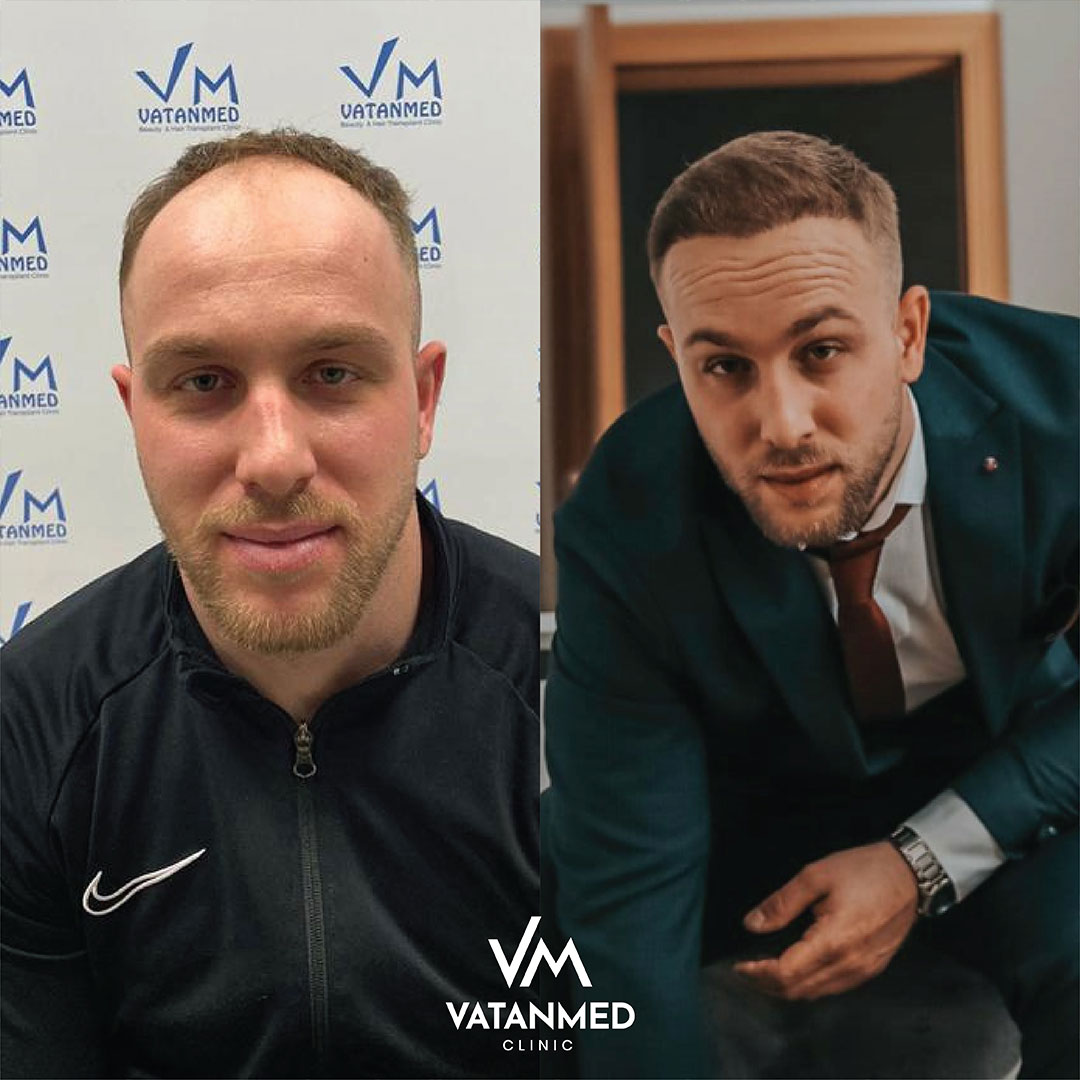
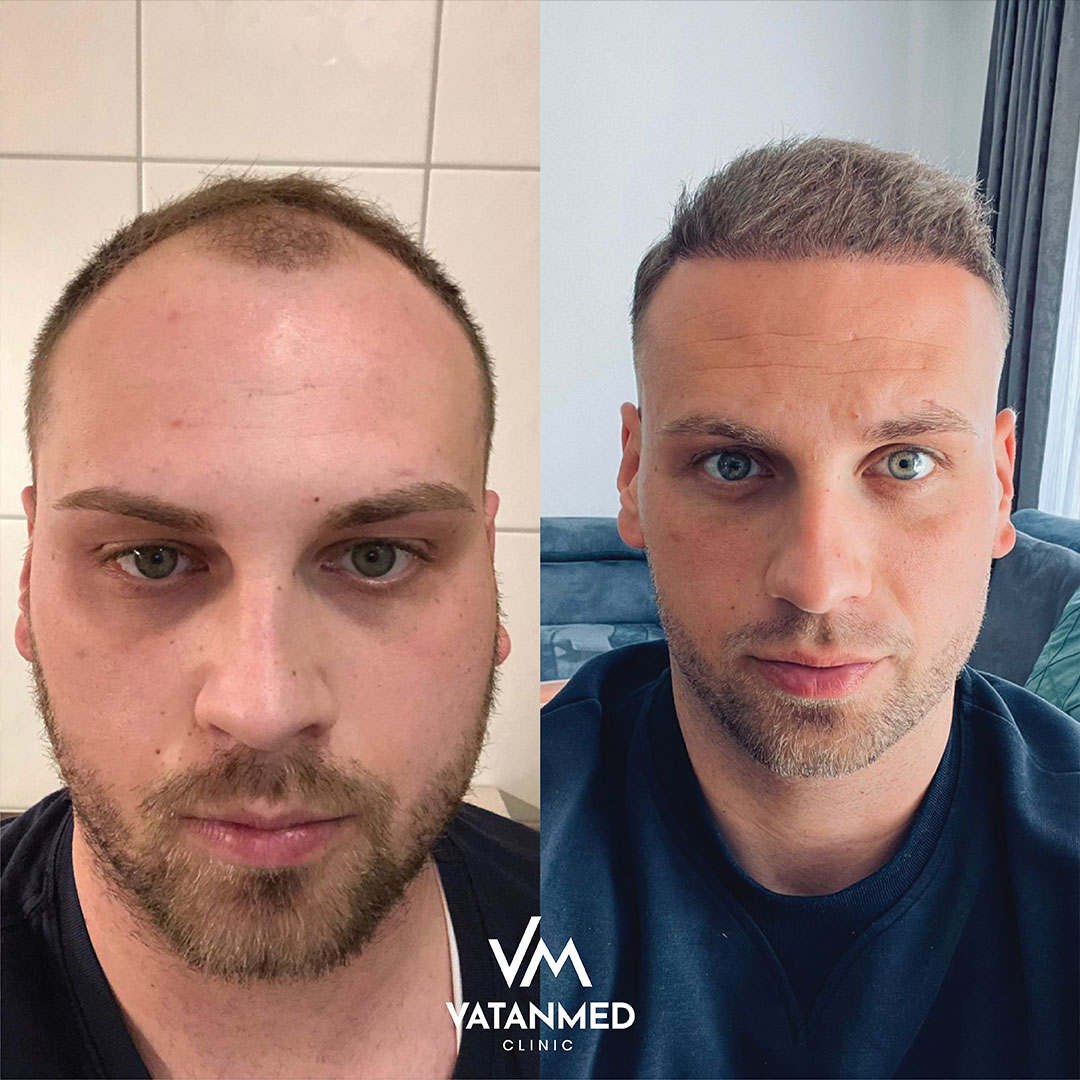
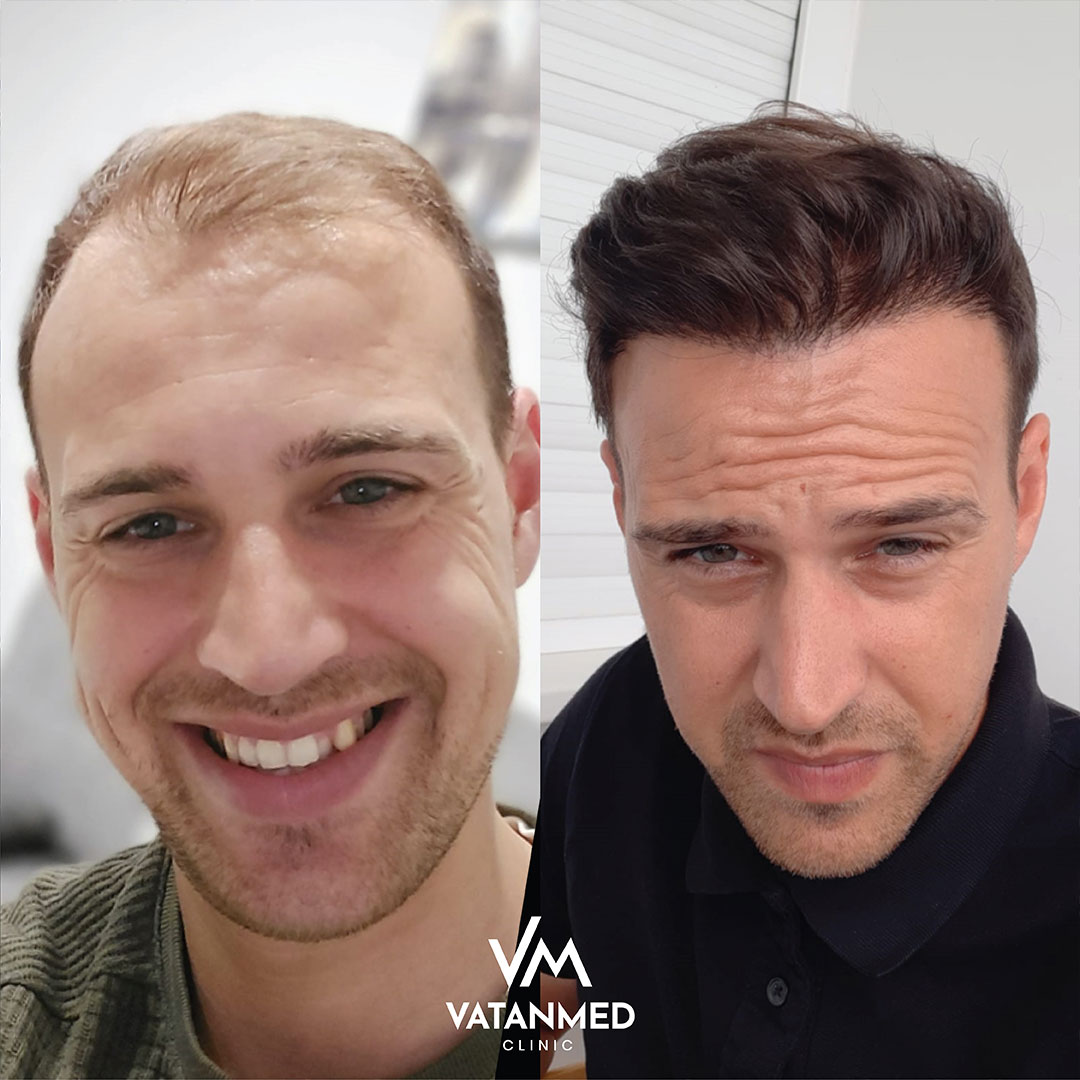
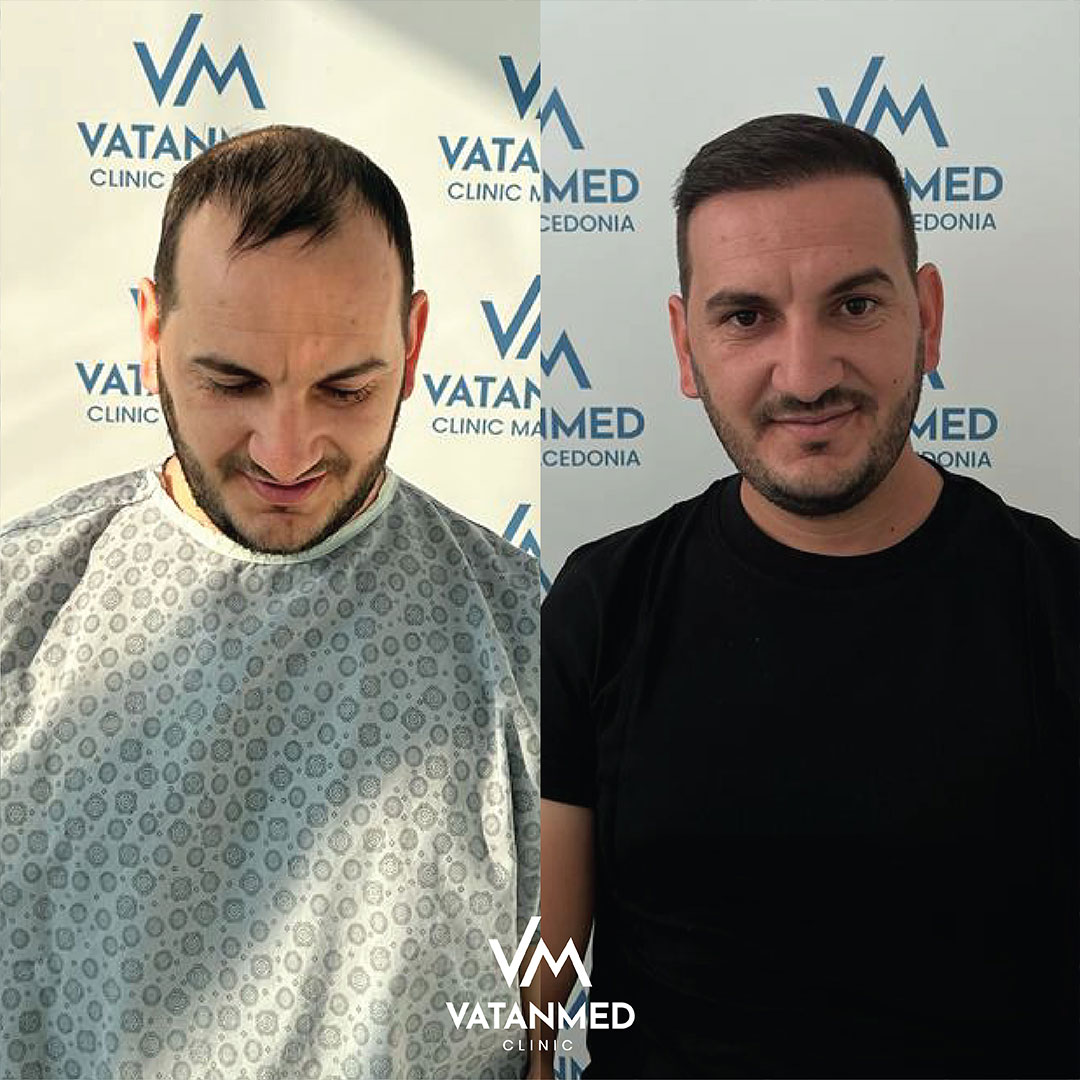
The core goal of hair transplant surgery is to address hair loss, enhancing one’s appearance with a revitalized, fuller head of hair. For many individuals, the prospect of restored hair is a significant driving force for undergoing the procedure.
Modern advancements in hair transplant techniques have made strides in ensuring patient comfort, significantly reducing discomfort during the procedure. The Follicular Unit Extraction (FUE) method, in particular, has gained widespread popularity in the realm of hair restoration for its effectiveness and minimal discomfort. Adopted rapidly by clinics worldwide, FUE allows for the precise transplantation of individual follicular units, which is instrumental in minimizing pain and promoting remarkable, natural-looking results.
A standout feature of the FUE procedure is the absence of sutures, which plays a crucial role in mitigating pain. While it’s not common, any minor discomfort post-procedure as the local anesthesia diminishes can typically be managed effectively with pain medication prescribed by a hair transplant specialist.
The recovery time is another benefit of the FUE method, with patients often able to resume their routine within a matter of weeks. While initial hair growth can be observed shortly after the procedure, achieving the full benefits of a complete hair restoration may take up to a year.
Understanding the recovery timeline and what to anticipate after a hair transplant is crucial for a smooth rehabilitation process.
In the immediate aftermath of the surgery, it’s common for the scalp to exhibit tenderness, and one might notice swelling or a reddish hue around the treated zones. Typically, these are minor issues that recede within several days. To alleviate any discomfort, your surgeon may prescribe medication or suggest suitable over-the-counter pain relievers.
Adhering to the aftercare guidance provided by your hair transplant specialist is important. These directions often include limiting physical exertion and wearing hats or headwear that do not press against the newly treated scalp areas.
A noticeable shedding of the newly transplanted hair often occurs within the initial weeks post-surgery. Referred to as “shock loss,” this phase is completely normal and part of the hair’s natural growth cycle. As the weeks progress, the emergence of new hair growth should become apparent.
Patience is key, as the culmination of the hair transplant’s full effect can span several months. Attending follow-up visits and proper management of the treated area are instrumental in achieving the best possible outcomes from your hair transplant.
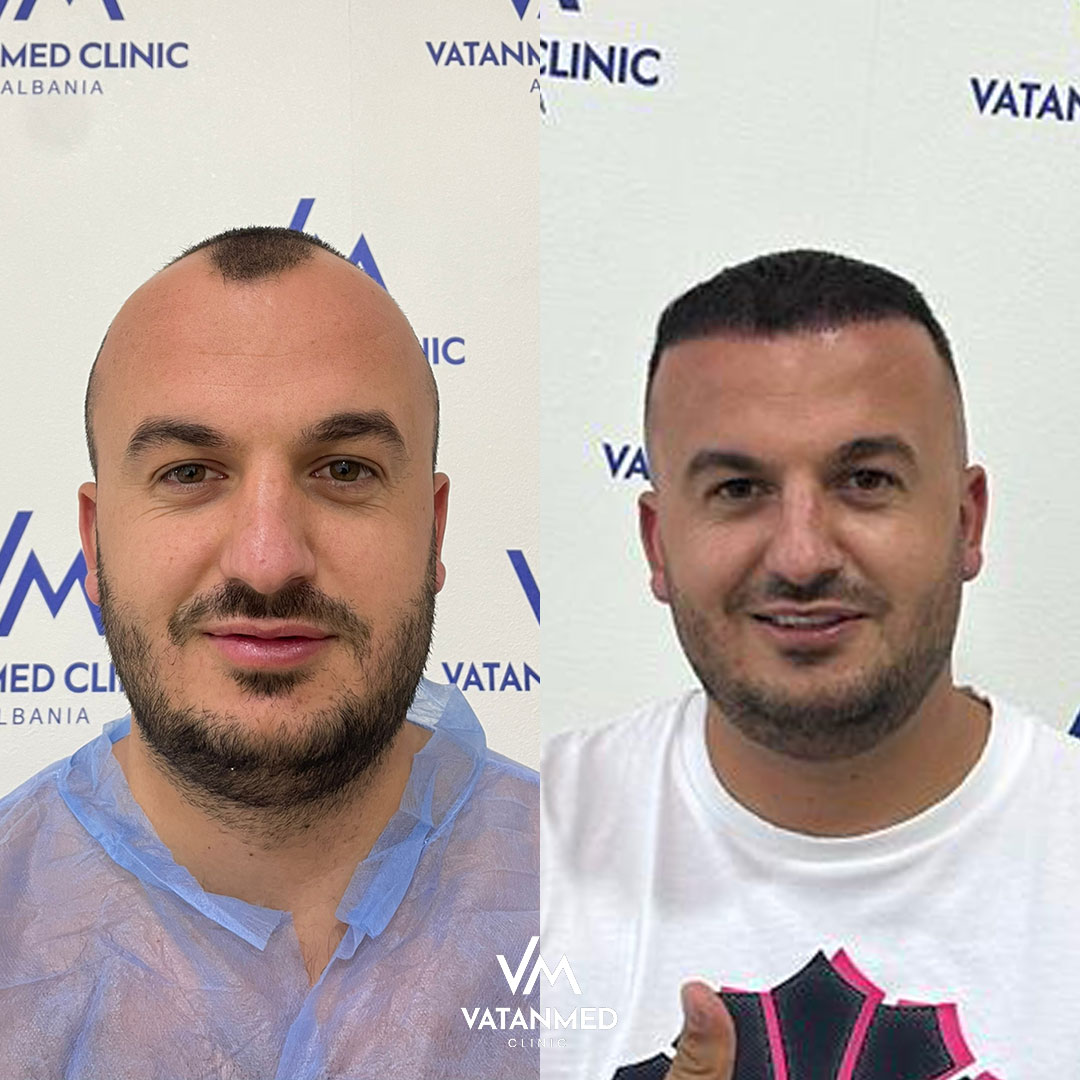
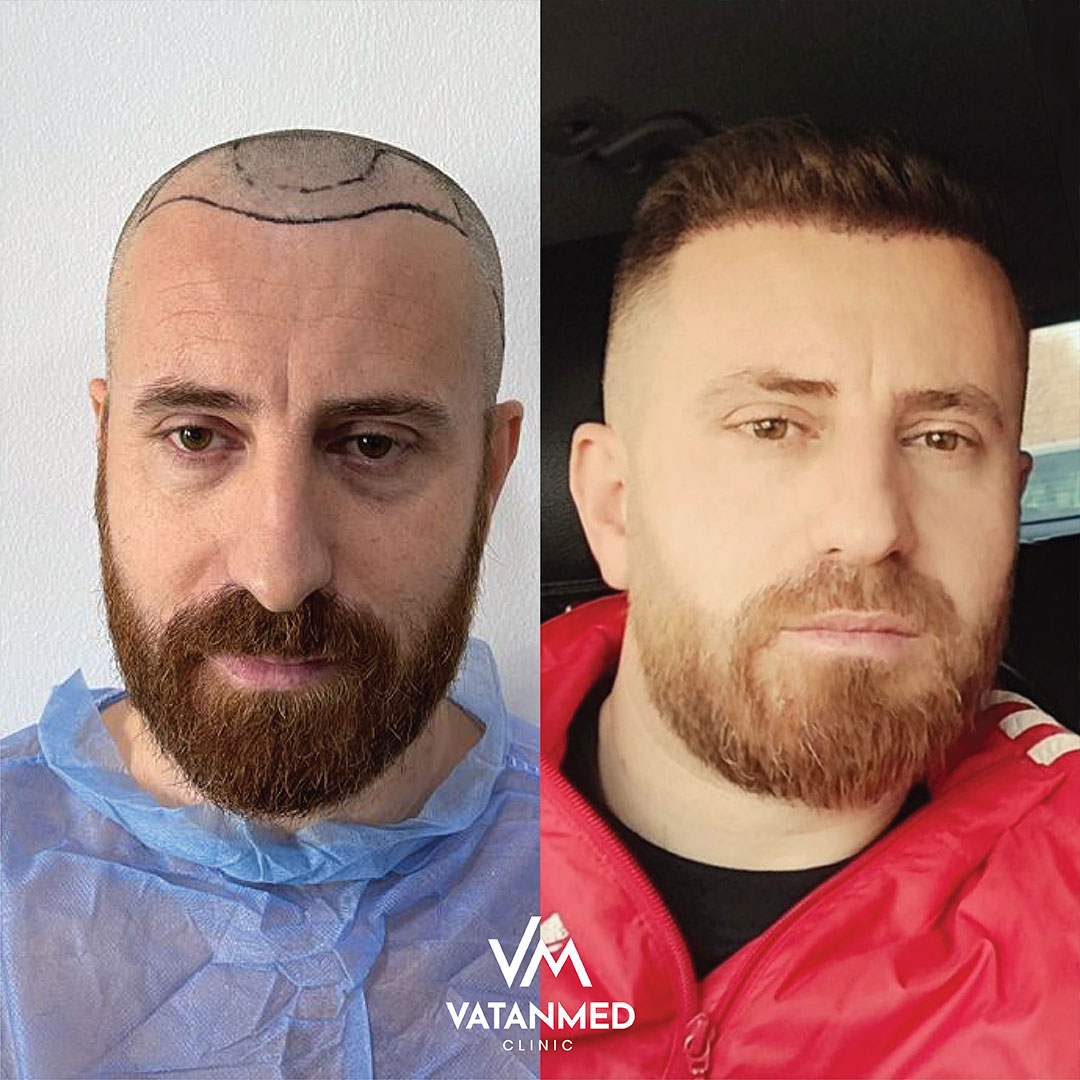
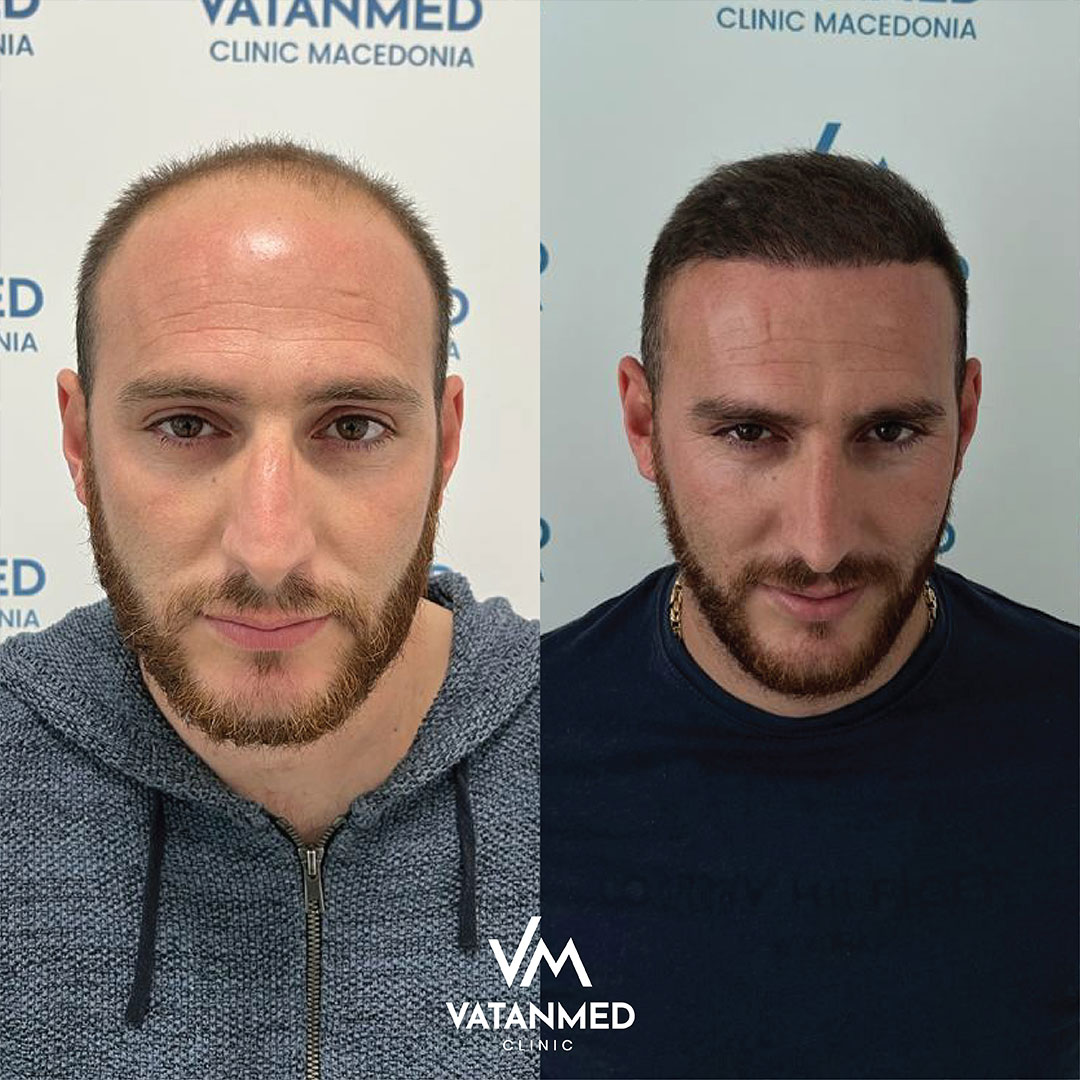




.svg)


