
Carefully Selected Experts, Trusted Institutions
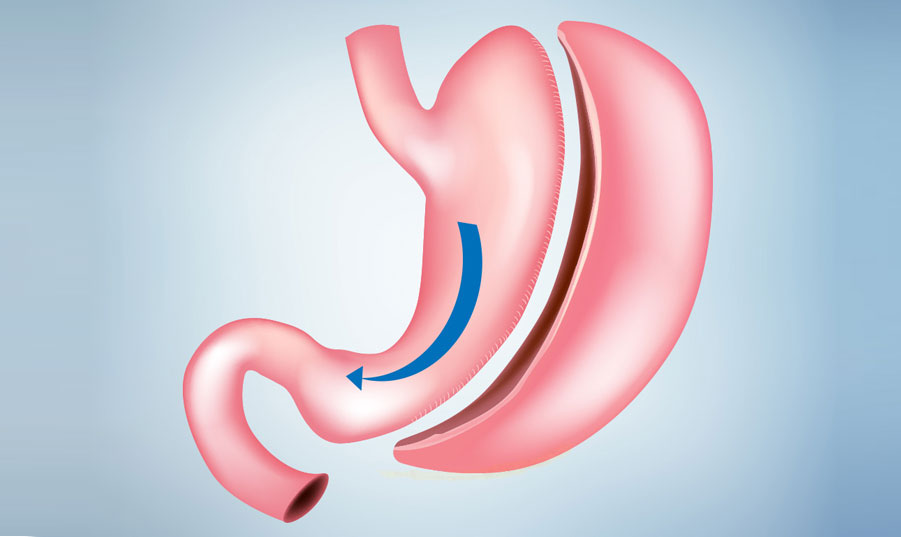
Obesity is a global health crisis with numerous health risks including diabetes, high blood pressure, heart disease, and even some cancers. For individuals struggling with severe obesity and related health issues, bariatric surgery has emerged as a powerful tool when traditional weight loss methods have failed. Among the most popular and effective surgical options is gastric sleeve surgery, a procedure that offers a chance to significantly reduce weight and improve health.
In the field of bariatric surgery, there are several procedures that can result in significant weight loss and improved health for patients struggling with obesity. Among these, laparoscopic sleeve gastrectomy, commonly known as gastric sleeve surgery, has gained prominence due to its distinct advantages over other weight loss surgeries. This procedure not only assists in effective weight loss but also maintains the fundamental functionality of the stomach, which can lead to fewer complications and a more straightforward recovery.
One of the primary benefits of gastric sleeve surgery is its minimally invasive nature. Performed laparoscopically, it involves making small incisions as opposed to one large incision. This approach offers several advantages:
Reduced Pain Post-Operation: Smaller incisions typically result in less postoperative pain, making the recovery process more comfortable for the patient.
Lower Infection Risk: With smaller wounds, the risk of post-surgical infections diminishes significantly.
Faster Recovery: Patients can often return to their daily activities more quickly than with traditional open surgery.
Minimal Scarring: The smaller incisions lead to less scarring, which is cosmetically preferable for many patients.
Shorter Hospital Stay: Many patients can leave the hospital sooner after laparoscopic surgery compared to traditional surgery.
Gastric sleeve surgery has been proven to be an effective long-term solution for weight loss. On average, patients may lose between 40% to 70% of their excess body weight within one year after surgery. This significant weight loss can be attributed to the reduced size of the stomach, which limits food intake and reduces the feeling of hunger.
The surgery is usually performed using a minimally invasive approach known as laparoscopy. During the procedure, the surgeon makes a few small incisions in the upper abdomen and inserts surgical instruments, including a camera. The camera sends images to a monitor, which the surgeon uses to guide the procedure. The large portion of the stomach is then surgically removed and the remaining edges are joined together to form the sleeve or tube.
After gastric sleeve surgery, the smaller stomach size makes you feel full much quicker than before. It significantly reduces the amount of food that can be consumed at one time, thus creating a calorie deficit which is necessary for weight loss. Moreover, the surgery also affects gut hormones that impact hunger, satiety, and blood sugar control. Short-term studies show that sleeve gastrectomy is as effective as gastric bypass surgery in terms of weight loss and improvement or remission of diabetes.
Weight loss after gastric sleeve surgery can be quite dramatic. Most patients lose weight quickly and continue to do so for 18 to 24 months after the procedure. On average, people lose 60% of their excess weight after gastric sleeve surgery. However, it is important to note that surgery is just a part of the journey. To ensure lasting results, patients must commit to a healthy lifestyle, including a balanced diet and regular physical activity.
Understanding the Mortality Risk of Gastric Sleeve Surgery
When considering weight loss surgery, the potential risks are a significant concern for patients. Gastric sleeve surgery, known medically as sleeve gastrectomy, is a popular bariatric surgery option, but like any surgical procedure, it carries certain risks, including the risk of mortality. It is crucial to understand these risks in comparison to the risks of obesity itself and other medical procedures.
The Mortality Rate of Gastric Sleeve Surgery
Gastric sleeve surgery has a relatively low mortality rate, especially when compared with the risks associated with severe obesity. The reported mortality rates for bariatric surgery vary:
Gastric Band: Approximately 0.1% mortality rate.
Vertical Banded Gastroplasty: Around 0.15% mortality rate.
Gastric Bypass: Closer to 0.5% mortality rate.
Biliopancreatic Diversion: Roughly 0.8% mortality rate.
Overall: The combined average mortality rate for all types of bariatric surgery is about 0.25%.
These figures show that the mortality risk from gastric sleeve surgery is comparatively low. To put this into perspective, it’s worth noting that the mortality risk for cardiovascular surgeries can be around 2%, significantly higher than the 0.1% associated with bariatric surgeries like the gastric sleeve.
Gastric sleeve surgery is more than just a surgical procedure; it’s a commitment to a new lifestyle. It offers hope for those who have struggled with severe obesity and the health conditions that often accompany it. By reducing stomach size and altering hormones related to hunger and satiety, the surgery facilitates weight loss and can lead to improved overall health. However, it requires a considerable dedication to maintaining healthy eating habits and regular exercise. With the right support and commitment, gastric sleeve surgery can be a life-changing step toward a healthier, more active life.




.svg)


