
Carefully Selected Experts, Trusted Institutions
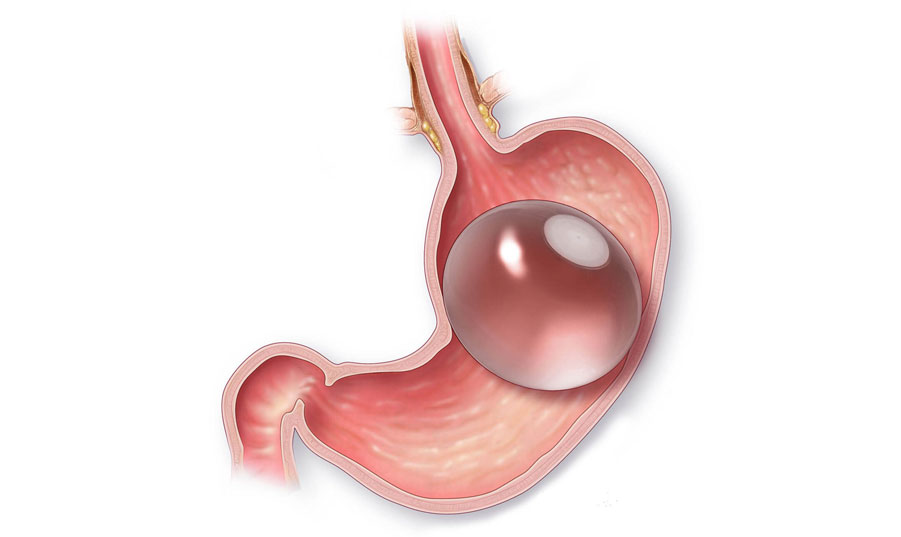
Insertion of the gastric balloon is a relatively simple procedure that does not require surgery. It is typically performed endoscopically, with the patient under mild sedation. The deflated balloon is guided into the stomach via the esophagus, then filled with saline to the appropriate size once correctly positioned. This simplicity is appealing to those who are hesitant about more invasive bariatric surgeries or do not qualify for them due to a lower body mass index (BMI).
The gastric balloon is considered a temporary weight loss aid, often remaining in place for six months before being removed. During this period, patients have the opportunity to work closely with dietitians and other health professionals to adopt healthier eating habits and lifestyle modifications. This coaching is crucial as it lays the groundwork for sustained weight management even after the balloon is no longer present.
Ideal candidates for a gastric balloon are typically individuals who need to lose weight for health reasons but have not achieved success with diet and exercise alone. It is also a useful intervention for those whose BMI may not be high enough to warrant bariatric surgery, providing a less drastic yet effective method to manage weight.
A gastric balloon works by occupying space in the stomach, which in turn:
Reduces stomach capacity: With the balloon in place, the stomach’s volume is reduced, which means it can hold less food. This helps to control portion sizes because the stomach fills up more quickly than usual during meals.
Promotes early satiety: Since the stomach has less space for food, you tend to feel full sooner and stay full longer. This can help decrease overall calorie intake.
Slows down digestion: The presence of the balloon may slow the passage of food through the stomach, further prolonging the feeling of fullness.
Behavioral changes: The insertion of the balloon is typically accompanied by comprehensive dietary and lifestyle counseling. This education helps patients to develop healthier habits and choices that can lead to sustained weight loss. While the physical presence of the balloon aids in initial weight reduction, the long-term success of the treatment often depends on the individual’s ability to maintain these behavioral changes after the balloon is removed.
The procedure for placing a gastric balloon is relatively simple and usually done under sedation. It involves the following steps:
Insertion: The deflated balloon is inserted into the stomach through the mouth using an endoscope, a flexible tube with a camera attached.
Inflation: Once in place, the balloon is filled with saline solution to the appropriate volume, usually around 500-700 milliliters.
Monitoring: After the balloon is inserted, the patient will be monitored for a short time in the clinic or hospital to ensure there are no immediate complications.
The balloon is left in place for a period that typically ranges from six months to a year, after which it is deflated and removed using a similar endoscopic procedure. During the time the balloon is in place, patients usually follow a strict diet and lifestyle program to maximize weight loss and improve their health.
While the gastric balloon is a temporary measure, the habits formed during its use can have lasting impacts. The goal is not only to lose weight while the balloon is in place but also to instill a new mindset and approach to food that will continue to influence the patient’s lifestyle choices long after the balloon has been removed.
The gastric balloon is more than just a physical tool for weight loss; it is a catalyst for change, prompting individuals to embark on a healthier path. By restricting food intake and encouraging better eating habits, the gastric balloon can be the stepping stone to a new, healthier self. It’s a temporary aid, but the lifestyle changes it supports can lead to a lifetime of improved well-being.




.svg)


