
Carefully Selected Experts, Trusted Institutions
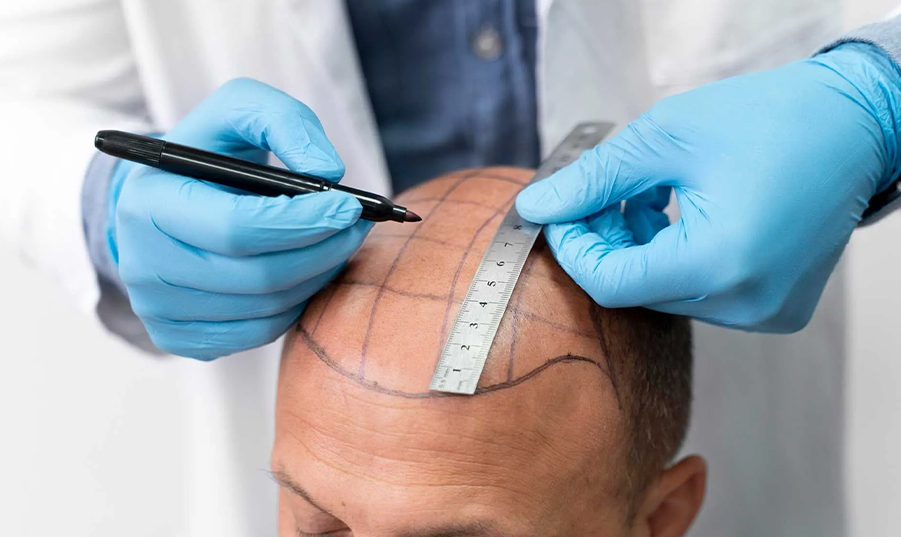
The allure of DHI lies in its detail-oriented process. Unlike traditional methods that require creating pre-made channels in the recipient site, which can cause unnecessary trauma to the scalp, DHI’s direct approach minimizes scarring and potentially reduces recovery time. This patient-centric technique has been a game-changer, delivering results that blend seamlessly with the patient’s natural hair pattern.
Choosing to undergo a DHI hair transplant is a decision that signifies hope and the pursuit of self-assuredness for many. As with any medical procedure, it’s crucial to conduct thorough research, seek out reputable and experienced professionals, and set realistic expectations. While no treatment can guarantee perfection, the advancements in hair transplant technology, particularly with DHI, offer a chance to regain not just strands of hair, but strands of confidence lost to male pattern baldness.
The quest for a lasting solution to hair loss leads many to consider the innovative Direct Hair Implantation (DHI) technique, a procedure esteemed for its precision and patient-focused approach. Here’s how this sophisticated method unfolds at a clinic that prioritizes patient comfort and cutting-edge practices, such as Cosmedica.
Preparation and Anesthesia:
The DHI journey begins with the preparation of the patient’s scalp. A local anesthetic is applied to ensure a pain-free experience. At Cosmedica, we go one step further by employing needle-free devices that deliver the anesthetic under high pressure, ensuring that even the administration of numbness is comfortable and non-invasive.
Donor Hair Extraction:
Once the scalp is numb, the process of harvesting individual hairs commences. This is done using a specialized punch tool, generally measuring just 0.7 mm in diameter, to extract hair from the donor area—typically the back of the head where hair is genetically programmed to resist thinning. This meticulous extraction process ensures each follicular unit remains intact and viable for transplantation.
Implantation with Precision:
In a departure from traditional hair transplant methods, DHI allows for the direct implantation of hair follicles into the thinning areas without the need for prior incisions or slits. Utilizing an implanter pen, each hair graft is carefully placed into the recipient site. This innovative tool not only shields the grafts from damage but also grants the surgeon the ability to implant each follicle at a precise depth and angle, mirroring the pattern of natural hair growth.
Advantages of the DHI Method:
The DHI method offers twin advantages that set it apart. Firstly, the avoidance of prior channel creation reduces the trauma to the scalp and can expedite the healing process. Secondly, the implanter pen technique optimizes the survival rate of the delicate hair grafts, keeping them secure until they are implanted.
At the forefront of DHI technology is the Micro Sapphire DHI hair transplant, an enhancement of the standard procedure. By utilizing micro sapphire blades, the process minimizes scarring and offers an even more refined approach to creating recipient sites, ensuring seamless integration of the new grafts.
Potential Risks and the Micro Sapphire Advantage:
While the DHI technique is lauded for accuracy, it is not without potential risks. The precision required during the implantation phase means there is a risk of trauma to the existing hair roots. However, the introduction of the Micro Sapphire DHI method minimizes this risk, as the ultra-fine sapphire blades reduce the chances of damage to surrounding follicles, ensuring the procedure’s safety and the patient’s comfort.
Conclusion:
In conclusion, DHI hair transplantation is a testament to the evolution of hair restoration techniques. By giving unparalleled control over the placement of hair grafts, an experienced surgeon can achieve a denser, more natural-looking head of hair. Despite the intricacies involved, the end goal of DHI is simple: to restore not just hair, but also a sense of self-confidence that individuals affected by hair loss are often seeking.
Undergoing a Direct Hair Implantation (DHI) procedure is only the first step toward reclaiming a full head of hair. The journey that follows is crucial for ensuring the best possible outcome and requires careful attention to aftercare.
Maintaining an Optimal Environment for Healing:
In the critical days post-transplant, it’s imperative to keep the scalp properly hydrated. This aids in creating an optimal environment for the newly transplanted follicles to settle in and take root. Your specialist will provide specific guidance on how to care for your scalp, which may include gentle saline sprays or specially formulated moisturizing solutions.
Understanding the Shedding Phase:
Patients should be prepared for the transplanted hairs to shed within the first few weeks—a natural and expected part of the process. This shedding signifies that the transplanted hair follicles have entered a resting phase, known as telogen. Although it may be disconcerting to see the new hair fall out, this is a normal reaction to the “shock” of transplantation and is not indicative of the final result.
Patience Leads to Rewarding Results:
Patience is key, as the full benefits of the DHI transplant are not immediate. It typically takes around twelve months for the definitive outcome to manifest. During this period, the hair roots gradually awaken from their resting phase and enter an active growth phase, leading to the emergence of new hair strands.
The Final Transformation:
As the one-year mark approaches, patients typically observe a significant improvement in hair density and coverage. The painstaking efforts of the DHI procedure culminate in a natural-looking hairline and a voluminous crown. This transformation often extends beyond the physical appearance, enhancing the patient’s quality of life and self-perception.
Embracing the Change:
Ultimately, the wait and diligence in post-procedure care are rewarded with more than just hair growth. For many, it signifies a renewal of confidence and a restoration of their former self-image. The DHI hair transplant, with its meticulous process and patient-centric approach, offers a path to not only regain hair but also to reclaim the joys of life that may have receded with one’s hairline.
For those considering a hair transplant, understanding the differences between Direct Hair Implantation (DHI) and Follicular Unit Extraction (FUE) can be pivotal in making an informed decision that aligns with their expectations and desired outcomes.
Technique and Process:
Both DHI and FUE begin with the extraction of hair follicles from the donor area. However, the techniques diverge in the approach taken post-extraction:
FUE: This method involves individually harvesting follicular units from the donor area and then creating tiny incisions in the recipient area where these grafts are placed.
DHI: DHI uses a more direct approach, utilizing a specialized pen-like device that extracts and then immediately implants the hair follicle into the recipient area without the need for creating separate incisions.
Precision and Density:
DHI offers greater precision in placing the hair grafts, allowing for potentially higher density and more natural-looking results, as each graft is implanted one by one.
FUE is less precise in the implantation phase since grafts are inserted into pre-made incisions, which may slightly limit the density that can be achieved compared to DHI.
Scalp Trauma and Healing:
FUE may cause more trauma to the scalp because it requires creating recipient incisions, leading to a longer healing time and more visible scarring.
DHI, with its no-pre-made incision approach, can result in quicker healing and less post-procedure discomfort. It also tends to leave minimal to no visible scars.
Procedure Time and Cost:
FUE procedures can be less time-consuming than DHI, as multiple grafts can be placed into the incisions at a faster rate.
DHI typically takes more time, as it involves the careful and precise placement of each follicle, which can also make DHI more costly than FUE.
Outcome and Versatility:
FUE is versatile, allowing for larger areas to be covered in a single session, which may be beneficial for patients with significant hair loss.
DHI may provide better results for patients requiring more detailed work, such as creating a natural-looking hairline or increasing density in smaller areas.
Recovery and Lifestyle:
The recovery process for both methods involves a period of shedding and regrowth, but DHI may offer a quicker initial recovery due to less invasive techniques.
Lifestyle considerations are also important, as some patients may prefer the shorter procedure and recovery time associated with FUE, which could better suit their personal or professional commitments.
Making Your Decision:
Ultimately, the choice between DHI and FUE should be made in consultation with a qualified hair transplant specialist who can assess the specifics of your hair loss, scalp characteristics, and overall health. Factors such as the extent of hair loss, the density of the donor area, lifestyle, budget, and expectations for recovery and results should all play a part in determining the most appropriate method for you.




.svg)


