
Carefully Selected Experts, Trusted Institutions
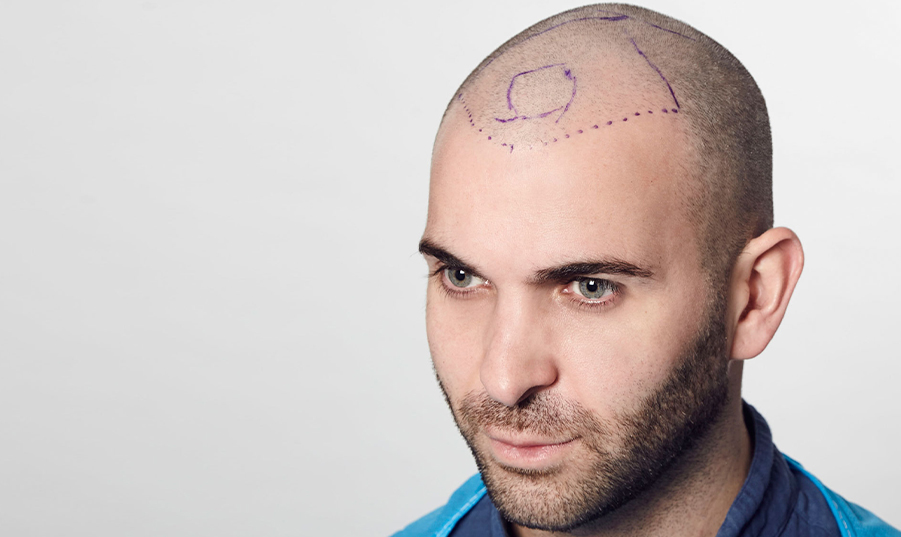
Each follicle, which is a tiny, natural cluster of one to four hairs, known as a graft, is carefully removed using a specialized, circular microsurgical tool. The goal is to extract the healthiest follicles that will ensure robust hair growth once transplanted.
After extraction, these grafts are meticulously implanted into the thinning or balding regions of the scalp. The surgeon creates minuscule slits in the recipient area and places each graft in a way that matches the natural growth pattern of the patient’s hair, resulting in a discreet and natural-looking outcome.
The brilliance of FUE lies in its minimally invasive nature and its ability to provide substantial hair restoration without leaving a linear scar, as seen with older methods like the FUT (Follicular Unit Transplantation). Since the procedure is less invasive, patients typically experience a quick and comfortable recovery, with many resuming normal activities within a day or two.
Seamless Integration with Existing Hair: FUE transplants are renowned for their ability to integrate the new hair with your existing hairline and density, providing a remarkably natural look that is nearly indistinguishable from non-transplanted areas.
Less Invasive Technique: The FUE method is less invasive than traditional hair transplant procedures, resulting in minimal discomfort and a faster return to normal activities.
Scar-Free Healing: FUE does not involve cutting a strip of scalp from the donor area, thus it does not leave a linear scar. This is particularly advantageous for those who prefer shorter haircuts or wish to avoid any telltale signs of surgery.
Permanent Hair Restoration: The hair used in FUE transplants is resistant to the typical pattern of hair loss, meaning the results are permanent and the fullness restored by the procedure is maintained long-term.
Quick Recovery Period: Most patients find that they can resume their usual routine and go back to work within a few days post-FUE transplant, making it a convenient option for those with busy lifestyles.
Boost in Self-Esteem: For many, hair loss is a significant source of insecurity. An FUE hair transplant can reverse the signs of balding and thinning, often leading to an immeasurable boost in confidence and an enhanced image, which can positively affect many aspects of life.
FUE hair transplants could be an ideal solution for individuals grappling with hair loss for various reasons, such as:
Androgenetic Alopecia in Men: Commonly known as male pattern baldness, this condition is characterized by a receding hairline and thinning atop the scalp. FUE is adept at filling in these areas with natural-looking hair.
Female Hair Thinning: Women who notice a widening part or decreased volume may find that FUE transplants offer a discreet and effective remedy for restoring hair density.
Restoration After Scarring: For those who have lost hair due to traumatic injuries, surgical procedures, or less advanced hair restoration techniques, FUE provides an opportunity to camouflage scars with natural hair growth.
Enhancement of Facial Hair: Beyond scalp hair, FUE is versatile enough to augment facial hair, offering men the chance to enjoy a fuller beard or mustache, or to craft natural-looking eyebrows that enhance facial symmetry.
When considering FUE hair transplants, it is essential to consult with a qualified hair restoration specialist to ensure that it is the appropriate treatment for your specific situation, as it requires adequate donor hair density and other factors that affect the viability of the transplant.
Initial Consultation and Assessment
Your journey begins with a meeting with a hair restoration expert doctor. He will examine the extent and pattern of your hair loss, outline what you aim to achieve, and assess your eligibility for the FUE hair transplant procedure.
Preparing the Donor Site
On the procedure day, your hair at the donor site, typically the back part of your head, will be closely trimmed. This step is crucial for the efficient harvesting of hair follicles.
Anesthetizing the Scalp
To ensure your comfort throughout the procedure, local anesthetic is applied to numb both the donor and recipient areas, making the process virtually pain-free.
Harvesting Hair Follicles
Doctor employs a precision microsurgical instrument to extract individual hair follicles from the prepared donor region with great care and accuracy.
Creation of Recipient Sites and Graft Placement
The surgeon carefully creates tiny slits in the targeted areas of the scalp and then places each harvested follicle into these incisions, crafting a natural-looking hairline and ensuring an even distribution for a dense, natural appearance.
Guidance on Postoperative Care
Following the FUE procedure, detailed instructions for aftercare are provided to promote healing and maximize the success of the hair transplant, guiding you through the recovery phase This comprehensive approach ensures that each step is carried out with meticulous attention to detail, contributing to the overall success and satisfaction with the FUE hair transplant results.
Managing Discomfort: Post-surgery, you may experience a degree of discomfort. This is typically minor and can be effectively managed with medications that your doctor will prescribe.
Healing and Hair Shedding: In the initial healing phase, which occurs during the first week, it’s common for the transplanted area to develop small scabs around the grafts. As you heal, these scabs will fall off, and it’s normal for the transplanted hairs to shed along with them. This is part of the natural process leading to new growth.
Activity Restrictions: To ensure optimal healing, you should refrain from engaging in vigorous exercise and avoid lifting heavy objects for a few weeks post-surgery, as such activities could jeopardize the grafts.
Anticipating Hair Growth: Patience is key during the recovery phase. You’ll generally begin to see new hair growth from the transplanted follicles within three to four months post-operation. The full, visible effects of the transplant are typically evident after six to eight months, sometimes up to a year.
Monitoring and Follow-ups: Regular follow-up visits with your hair restoration specialist are crucial. These appointments are an opportunity to check on the healing progress, evaluate the hair growth, and discuss any concerns you may have.
Adhering to the specific aftercare regimen provided will facilitate a smooth recovery and contribute to the long-term success of your hair transplant.
An FUE hair transplant is generally recognized as a durable solution for hair loss. This procedure strategically relocates hair follicles from areas unaffected by Dihydrotestosterone (DHT) — the hormone implicated in many cases of hair loss — to the thinning or balding zones.
These transplanted follicles bear a genetic resistance to DHT and maintain this resilience even in their new location on the scalp. Consequently, the hair they produce continues to grow over time, often lasting for the individual’s lifetime.
It’s normal for the new hair to fall out shortly after the transplant as the follicles enter a resting phase. Nevertheless, the roots stay embedded in the scalp and, after a few months, will begin to produce new hair strands. Gradually, this new growth matures, leading to a denser and more natural-looking hair coverage.
The permanence of FUE hair transplants hinges on the use of DHT-resistant hair and the skill of the surgeon. Ensuring that the procedure is performed by a qualified and experienced specialist is vital for achieving results that not only look natural but also stand the test of time.
Although the transplanted hair is typically unaffected by pattern baldness, it’s important to remember that hair loss could continue in non-treated areas of the scalp. Therefore, a comprehensive approach, sometimes involving medication or further treatment, may be recommended to maintain overall hair density.
After the transplant, a tailored aftercare program will be essential for nurturing the transplanted follicles and supporting the longevity of the results. Follow-up consultations will monitor the progress and provide the necessary guidance for post-surgical care.
Pros of FUE:
Discrete Scarring: FUE is known for leaving numerous tiny, circular scars that are typically less conspicuous and can be hidden easily, even under short hairstyles.
Reduced Recovery Time: As FUE is less invasive with no stitches required, the recovery period is generally faster and with fewer post-operative restrictions.
Flexibility in Hair Usage: FUE is advantageous for those with less hair density, as it allows the surgeon to harvest hair follicles from different areas of the scalp and even the body.
Cons of FUE:
Procedure Duration: Due to its detailed approach, FUE often requires more time, especially for larger areas, and may even necessitate multiple sessions.
Cost Consideration: The intricate nature of FUE makes it generally more costly than FUT, which might be a deciding factor for some patients.
Pros of FUT:
Efficiency in Hair Harvesting: FUT is preferred when a significant number of grafts are needed in one go, as it involves removing a strip of hair-bearing skin from which to extract numerous follicular units.
Cost-Effective: Since FUT can harvest and transplant large numbers of grafts in a single session, it’s often more budget-friendly compared to FUE.
Cons of FUT:
Scarring Potential: FUT typically results in a single linear scar across the donor area, which might be a drawback for those who like to wear their hair short or have a propensity for keloid scarring.
Longer Downtime: The recovery from FUT might be a bit more extensive due to the healing of the strip site, requiring a longer period before returning to normal physical activities.
The choice between FUE and FUT largely depends on the patient’s hair loss situation, scalp flexibility, hair characteristics, lifestyle, and personal preferences. A detailed consultation with a hair restoration specialist can help determine the most appropriate method for an individual’s needs, ensuring that the chosen technique aligns with their expectations and goals for hair restoration.
When it comes to choosing between FUE and FUT hair transplant techniques, several key factors must be carefully weighed:
Individual Hair Loss Condition: The extent and pattern of hair loss are crucial in determining the most effective technique. For widespread thinning, FUT might be preferred for its efficiency, whereas FUE might be ideal for localized thinning or if future haircuts are likely to be very short.
Quality and Quantity of Donor Hair: The availability and density of donor hair, as well as the patient’s scalp flexibility, can influence the choice of procedure. FUE may be better for those with a limited donor area.
Personal Lifestyle and Preferences: Patients should consider their lifestyle, recovery time preferences, and tolerance for scarring. Those with an active lifestyle might prefer the quicker recovery time of FUE.
Expert Recommendation: The expertise and experience of the hair transplant surgeon play a significant role. An in-depth consultation will help the surgeon understand the patient’s expectations and suggest the most appropriate method.
Long-Term Considerations: It’s important to think about long-term goals and the possibility of needing additional sessions in the future. FUE may allow for multiple procedures due to the scattered harvesting of follicles, while FUT might limit the number of times the strip method can be used.
Each hair transplant method carries its own set of advantages, and the right choice will differ from person to person. Engaging in an open dialogue with a trusted hair restoration surgeon is the best step toward making an informed decision that will yield a satisfying outcome and enhance the patient’s quality of life.




.svg)


