
Carefully Selected Experts, Trusted Institutions
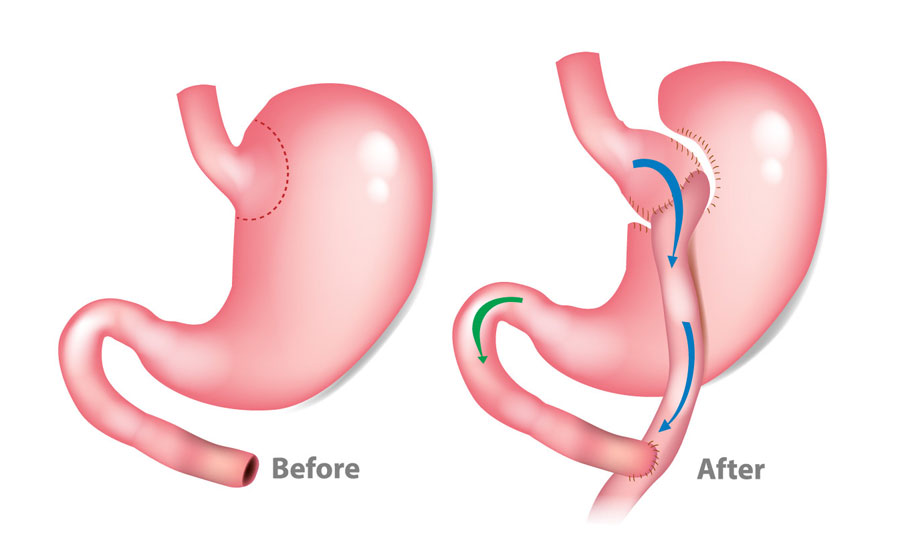
Eligibility for gastric bypass surgery is typically determined based on comprehensive guidelines to ensure that patients who undergo the procedure will do so with the maximum possible benefit and the least amount of risk. Here are the general criteria used to determine if someone is a candidate for gastric bypass surgery:
Body Mass Index (BMI): Gastric bypass surgery is usually offered to people who:
Previous Weight Loss Efforts: Candidates should have made serious efforts to lose weight by diet and exercise in a supervised program within the last few years.
Health Status: Candidates must be evaluated to determine if they are physically able to handle the surgery and the subsequent changes in their lifestyle. They must not have any medical conditions that would make surgery prohibitively dangerous.
Psychological Evaluation: A psychological evaluation is often required to ensure that the patient understands the surgery and the associated lifestyle changes, as well as to assess for any untreated mental health conditions that might impact the patient’s ability to adhere to the post-operative regimen.
Readiness to Commit to Lifestyle Changes: Candidates must be willing and able to make significant, lifelong changes in how they eat, including adhering to a healthy diet and engaging in regular physical activity post-surgery.
Understanding the Risks and Benefits: Candidates should be informed about the potential risks and benefits of the surgery and show understanding and willingness to accept these risks.
Age Considerations: While there’s no specific age limit for gastric bypass surgery, the risks increase with age and the procedure is typically not recommended for individuals under 18 or over 65. However, these age limits can be flexible based on the overall health and specific conditions of the patient.
Nutritional Counseling: Prior to surgery, candidates may be required to undergo a series of nutritional counseling sessions to ensure they are able to follow the diet modifications required after surgery.
Absence of Drug or Alcohol Abuse: Current drug or alcohol abuse is typically considered a contraindication for bariatric surgery.
Gastric bypass surgery is considered one of the most effective treatments for morbid obesity and offers numerous advantages, especially when compared to other weight-loss methods. Here are some of the key benefits:
It’s important to remember that gastric bypass surgery is a tool, not a cure for obesity. It’s effective but also carries risks and requires a lifetime commitment to maintaining a healthy lifestyle. Nutritional deficiencies can occur, and a strict adherence to dietary, vitamin, and mineral supplementation guidelines is necessary. It’s also essential for patients considering this surgery to discuss the potential risks and benefits with their healthcare provider to make an informed decision.
The bustling city of Istanbul is not just a bridge between continents but also a gateway to a new lease on life for those opting for gastric bypass surgery. This procedure, a beacon of hope for many struggling with obesity, provides a sustainable path to weight loss through both restrictive and malabsorptive surgical techniques. Here’s an insight into how this life-changing surgery works.
Preoperative Preparations: A Foundation for Success
Before the journey begins, patients are enveloped in the comprehensive care of Istanbul’s medical expertise. Administered under general anesthesia, the patient embarks on the procedure in a state of serene unconsciousness, ensuring comfort and the absence of pain throughout the transformative process.
The Surgical Odyssey: A Two-Pronged Approach
Equipped with state-of-the-art technology, the surgeon initiates the procedure with precision. The abdomen, now a canvas, is carefully marked before a series of small incisions pave the way for the laparoscopic instruments and a camera. With a live feed broadcasting on the monitor, the surgeon choreographs the surgery with meticulous attention to detail.
Gastric Bypass: Stage 1 – The Creation of the Pouch
The inaugural step in the gastric bypass odyssey in Istanbul’s top medical facilities involves redefining the stomach’s architecture. The surgeon, with the help of specialized staples, constructs a new stomach pouch—a minuscule compartment that serves as the new threshold for food intake. Holding just about an ounce of content, this pouch is the cornerstone of the weight loss journey, naturally reducing the quantity of food that can be consumed and signaling fullness far sooner than before.
Gastric Bypass: Stage 2 – The Art of Bypassing
As the journey progresses, the narrative of digestion is rewritten when the surgeon meticulously connects the jejunum, a segment of the small intestine, directly to the newly formed pouch. This redirection creates a shortcut for food, bypassing a significant portion of the stomach and small intestine. The result? A dramatic reduction in the absorption of calories and nutrients, contributing to weight loss without the pangs of hunger.
The Road to Recovery: A Symphony of Support
Post-surgery, Istanbul’s embrace includes a recovery regimen that is as culturally rich as it is clinically sound. Patients find themselves at the heart of a recovery mosaic, crafted with diligent follow-ups, nutritional guidance, and a supportive environment that fosters physical healing and emotional well-being.
A Lifelong Commitment: The Path Ahead
This surgical intervention is just the beginning. The true success of gastric bypass in Istanbul lies in the lifelong commitment to nourished transformation—a balanced diet, regular physical activity, and an adherence to new eating habits that ensure the sustainability of weight loss and health improvements.
Conclusion: The Istanbul Experience
Gastric bypass surgery in Istanbul transcends traditional medical tourism. It’s an intimate dance between the heritage of a city steeped in history and the modernity of cutting-edge medical practices. It’s not just about losing weight; it’s about finding a new rhythm to life where every step is a step towards wellness.
Gastric bypass surgery has emerged as a beacon of hope for many battling the relentless struggle of obesity. This procedure is not just a surgical intervention; it’s a strategic move towards a healthier, more vibrant life. The decision to undergo gastric bypass is multifaceted, rooted in both physical necessity and the pursuit of holistic well-being. Here, we explore the compelling reasons that draw individuals to this transformative surgery.
Tackling Severe Obesity: The Primary Catalyst
At the forefront of reasons for gastric bypass surgery is the challenge of severe obesity. When the scale tips beyond the scope of traditional weight loss methods like diet and exercise, gastric bypass offers a solution where others have failed. It’s an option for those who have a Body Mass Index (BMI) typically over 40, or over 35 with obesity-related conditions, signaling a critical need for medical intervention.
Chronic Condition Interception: A Preventive Measure
Obesity is a silent partner to numerous health ailments – type 2 diabetes, hypertension, heart disease, and sleep apnea, to name a few. Gastric bypass surgery serves as a preemptive strike against these conditions, often resulting in their improvement or remission. It’s a proactive step not just to shed weight but to dismantle a potential cascade of chronic health issues.
Lifespan Extension: Adding Years to Life
Emerging studies have underscored a stark reality – obesity can significantly shorten life expectancy. Gastric bypass surgery is thus seen as a life-extending endeavor. By addressing the root of obesity, patients aren’t just losing weight; they’re gaining years – years that are potentially healthier and more active.
Quality of Life Enhancement: Beyond the Physical
The benefits of gastric bypass ripple beyond the physical realm. Individuals find themselves partaking in activities that were once daunting – from playing sports to engaging in playful pursuits with their children. The surgery unlocks a level of mobility and energy that enhances the overall quality of life.
Psychological Renewal: The Emotional Rebirth
Obesity can be a heavy burden on mental health, often leading to depression, anxiety, and low self-esteem. The weight loss from gastric bypass can lead to significant psychological benefits, including improved mood, increased self-esteem, and greater overall happiness.
Economic Liberation: The Financial Relief
The cost burden of obesity is hefty, with increased medical bills and prescription costs. Weight loss through gastric bypass can lead to a reduction in these expenses, providing an economic liberation as patients find themselves spending less on chronic disease management.
Social and Professional Uplift: A Ripple Effect
The journey towards weight loss can also affect social and professional life. Patients often report a newfound confidence that permeates their social interactions and professional endeavors. This can lead to improved relationships and career opportunities, fostering a sense of accomplishment and societal contribution.
Conclusion: Gastric Bypass as a Holistic Solution
Gastric bypass surgery is not merely a medical procedure; it’s a holistic solution that individuals choose for a myriad of compelling reasons. It represents a convergence of health benefits, emotional renewal, and an enhanced quality of life. The reasons for undergoing the surgery are deeply personal yet universally understood among those on the path to recovery. In the heart of Istanbul, and indeed across the globe, gastric bypass is more than just a weight loss surgery; it’s a passage to reclaiming one’s life.




.svg)


